Some of the hotel photographs our clients have used for ten years were never on the original shot list. We made them because the client gave us time to explore.
I’ve also had photographs bring us new clients through our portfolio, even though the hotel that commissioned them never selected them.
A portfolio favorite won’t always be right for a campaign. But those experiences have made me pay close attention to who shapes a shoot and who decides what gets used.
I’ve spent 15 years working with luxury hospitality brands worldwide, alongside an editorial career that includes more than 100 assignments for The New York Times. Working with photo editors taught me how much an experienced second opinion can improve a photographer’s work.
I think more businesses would benefit from that expertise. For hotels planning a major photoshoot, it deserves a place in the budget.
What a photo editor actually does
The term can cause confusion. A retoucher works on the appearance of individual photographs. A photo editor helps decide what should be photographed, which images to select, and how those images work together.
In editorial work, that can include commissioning assignments, briefing photographers, choosing a lead image, and building a sequence that tells a story.
A creative director has a broader role: shaping the campaign’s concept and visual direction, potentially across both photography and video. On a substantial hotel production, that can mean guiding decisions about casting, styling, locations, and the overall mood.
These roles can overlap, but they aren’t interchangeable. A complex campaign may need a creative director throughout production. A hotel with an established direction may benefit from a photo editor consulting on the brief and final selection.
The person needs relevant experience. Being an excellent newspaper photo editor doesn’t automatically qualify someone to direct a luxury hospitality campaign.
A shot list is only the beginning
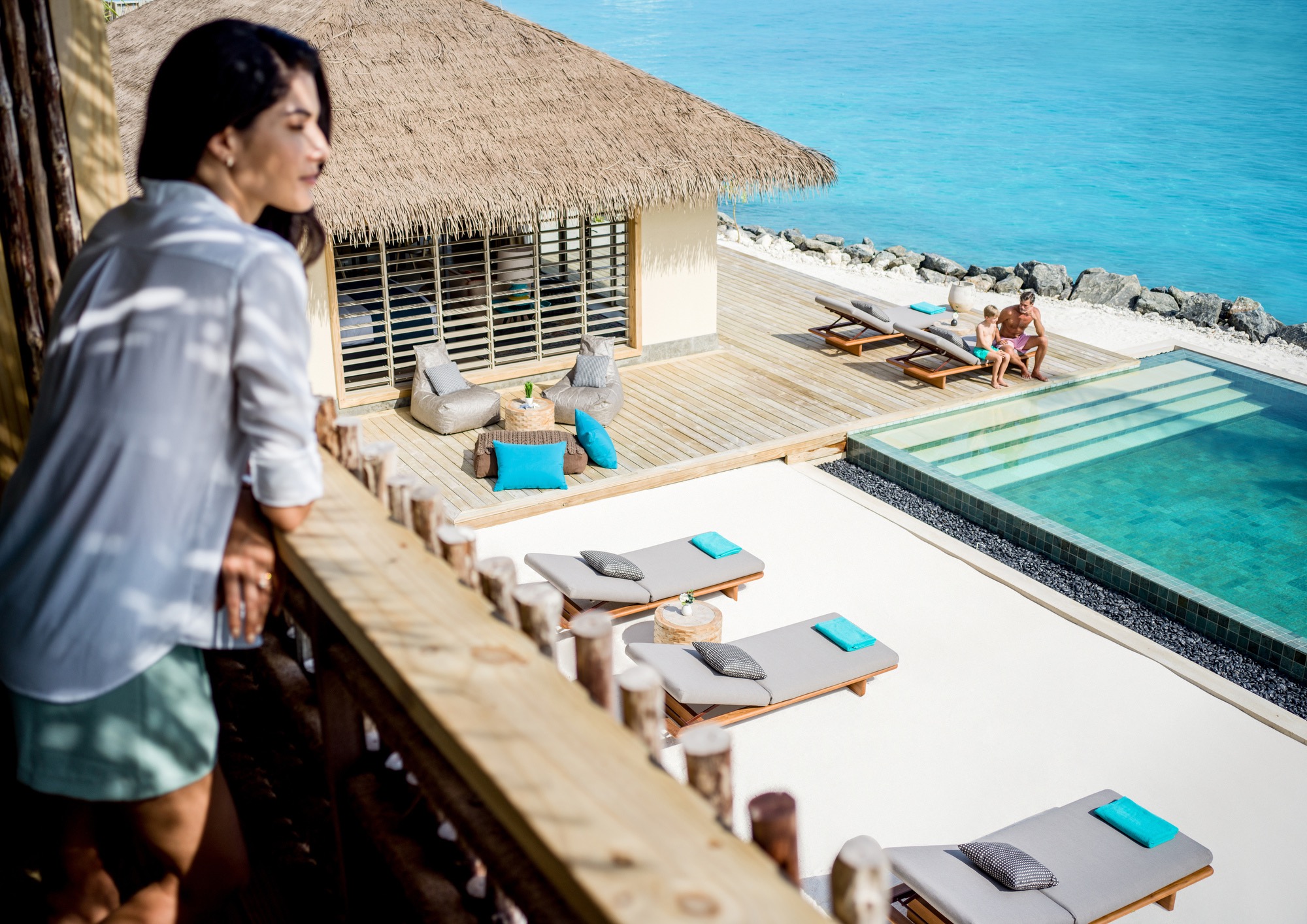
For a hotel opening, renovation, or image library refresh, the initial request often arrives with a list of spaces: rooms, restaurants, lobby, pool, beach. Add a couple or a family, and the lifestyle shots begin to take shape.
That list helps us estimate the work. It still leaves a lot undecided.
What makes this particular property worth visiting? What should a guest imagine doing there? Which photographs need to explain the facilities, and which should make someone want to book?
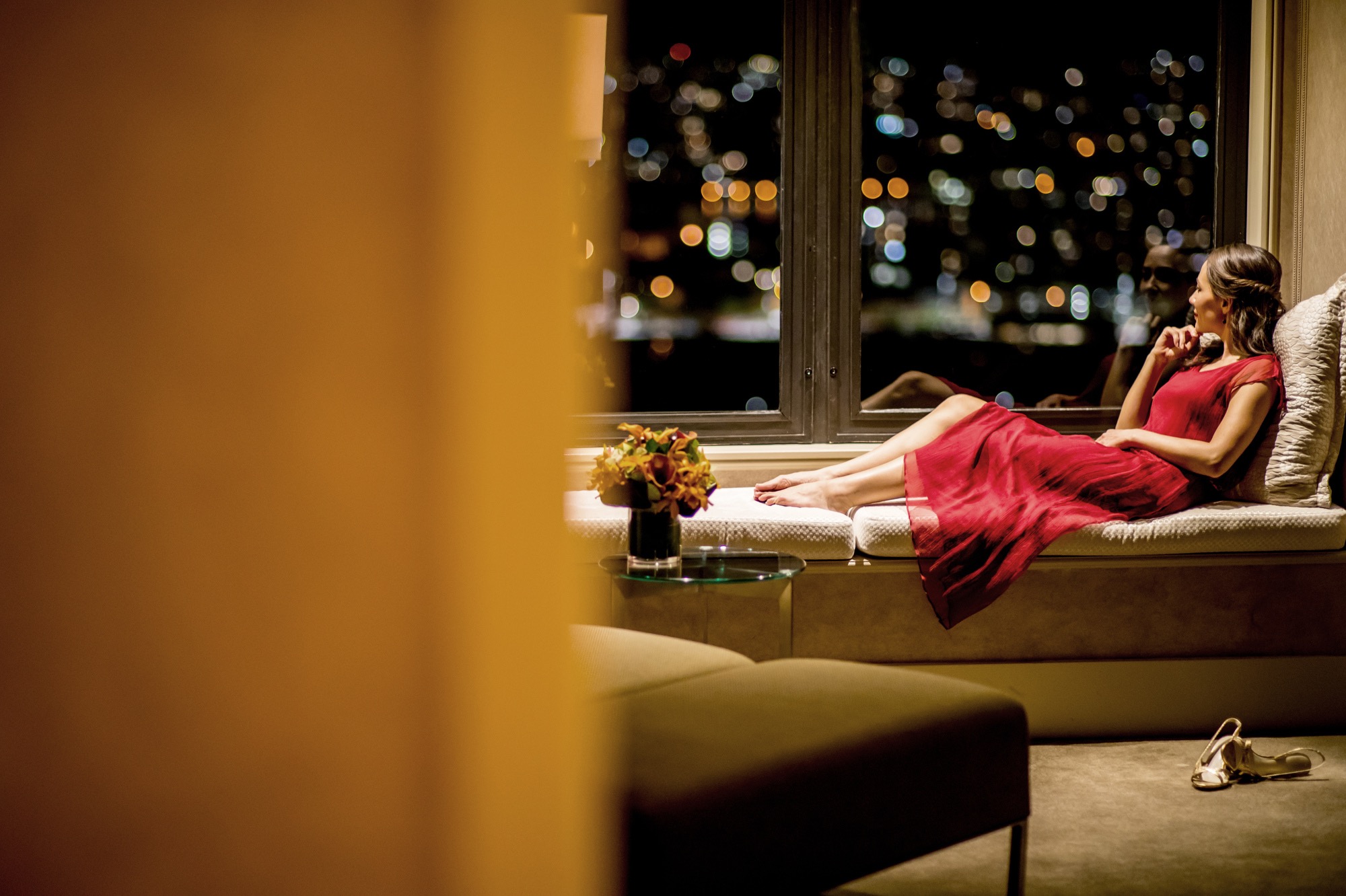
“Storytelling” appears in plenty of briefs, but it becomes useful when it’s specific. A couple by the pool is a subject. Showing the quiet of an early morning together gives the photographer something more to work with.
A useful brief also identifies where the images will appear. A website banner needs different framing from a vertical advertisement. Those requirements affect what we shoot and the time we need.
An experienced creative director or photo editor can help the marketing team turn its knowledge of the property and its guests into clear photographic decisions.
Agree on what the pictures should look like
Some of the most avoidable friction on a shoot comes from people using the same words to mean different things.
A request for “natural light” might mean a soft, believable look to the client and available light only to the photographer. Those interpretations can involve very different setups.
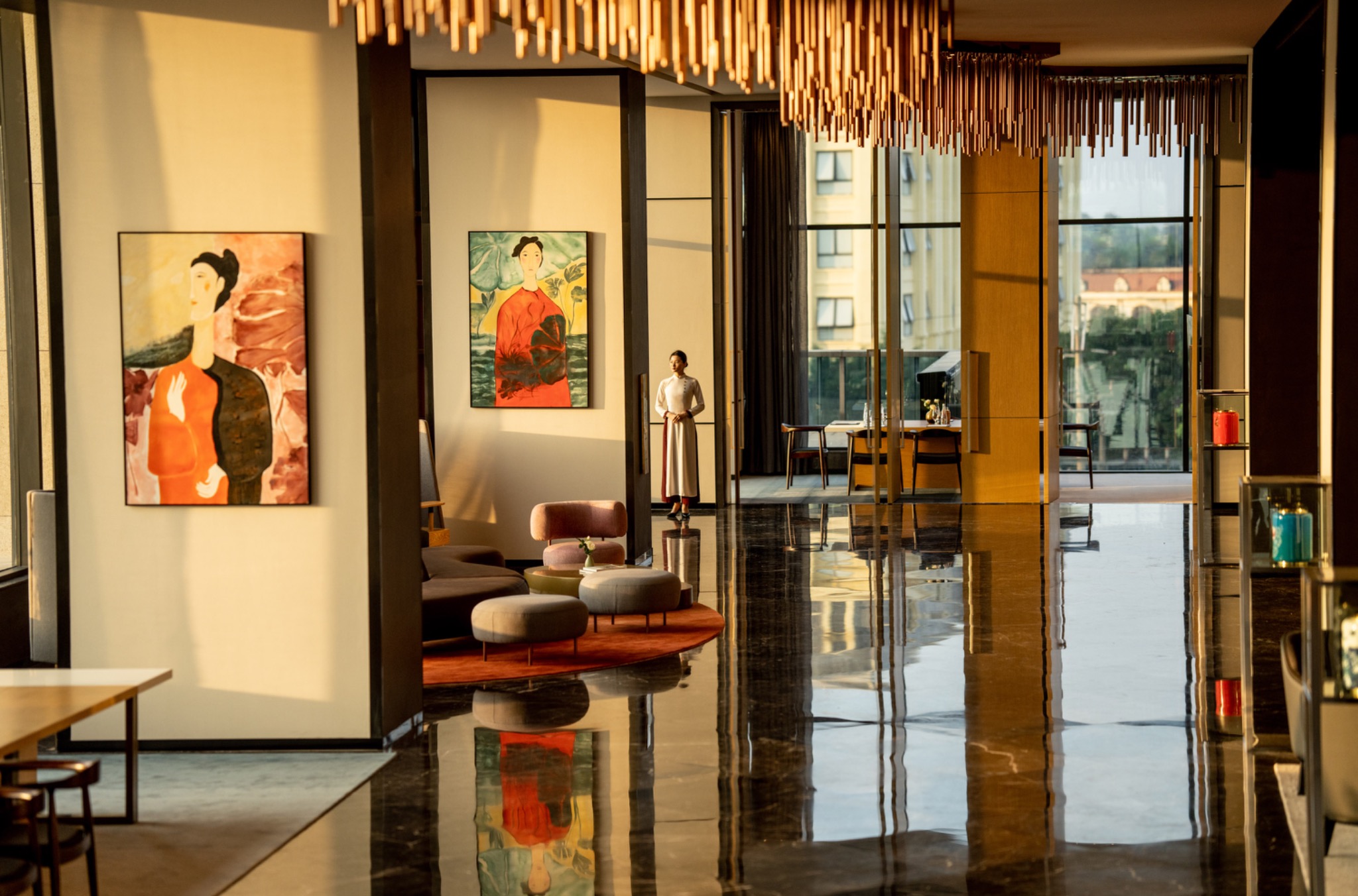
Interiors create similar misunderstandings. An extremely wide view can stretch objects near the edges of the frame. A rendering may show a viewpoint that a camera cannot physically reach. As much as I’d like to help, I still have a wall behind me.
These are useful conversations to have before production. Reviewing references together gives everyone a chance to discuss how the look will be achieved, what retouching can reasonably do, and which compromises are acceptable.
Brand guidelines help, but someone still needs to interpret them for the actual property.
Give creative decisions a clear owner
Hotel shoots involve people with legitimate priorities. Marketing understands the audience. Operations knows what is practical. Brand teams and owners may have their own requirements.
The difficulty comes when the photographer receives competing instructions and nobody has authority to resolve them.
I’ve spent time making variations to satisfy several people, only for those photographs never to be used. On a production with models and a limited window of good light, that time matters.
Agreeing on one person to consolidate feedback and make creative decisions helps everyone. The hotel’s approval process still applies, but the crew has a clear point of contact.
That person can also protect time for exploration. Some of our most enduring images came from an opportunity we noticed on location. We could pursue it because the client trusted us and the schedule allowed it.
Creative freedom works best with boundaries: an agreed mood, a purpose, and enough time to try something beyond the required coverage.
Treat the final selection as part of the production
After the shoot, the work becomes a different kind of decision.
If a package includes 50 retouched images, choosing several nearly identical photographs uses part of that allowance without necessarily making the library more useful. Variations can be valuable for different placements, but each should have a reason to be there.
A photo editor can look across the full selection, identify repetition, and notice what’s missing. They can help choose a lead image and build a set that balances interiors, people, details, and a sense of place.
They can also challenge the photographer. We’re not automatically the best judges of our own work. Knowing how difficult a photograph was to make can influence how we feel about it.
At the same time, I think photographers should be more involved in the selection process. Ask for our recommended edit and the reasoning behind it. We may see a useful pairing or an alternative that deserves another look.
That review should be agreed and paid for as part of the scope. The final decision belongs to the client, informed by both the commercial needs and the photographic judgment.
Match the support to the shoot
An experienced marketing team may already have these skills in-house. A straightforward update to a few room photographs may need little more than a clear brief and a trusted photographer.
For a major campaign involving models, several locations, and both stills and video, I’d consider a creative director who can stay involved from planning through delivery.
Where the concept is already established, a photo editor with relevant commercial experience could consult at two useful points: before the shoot, to review the brief and intended coverage; and afterward, to help select the images before retouching begins.
Marketing teams bring knowledge of the business that the rest of us need. Specialist creative support gives them another experienced person to work through decisions that may shape the brand’s imagery for years.
Before the next major shoot, I’d settle two questions early: who will guide the creative decisions, and who will help choose the photographs worth investing in afterward? Those responsibilities deserve the same care as hiring the photographer.
Justin Mott is a photographer and co-founder of Mott Visuals, a hotel photography and video production company based in Vietnam, working with hospitality brands across Asia and beyond.